
Futures Trading Basics for Beginners
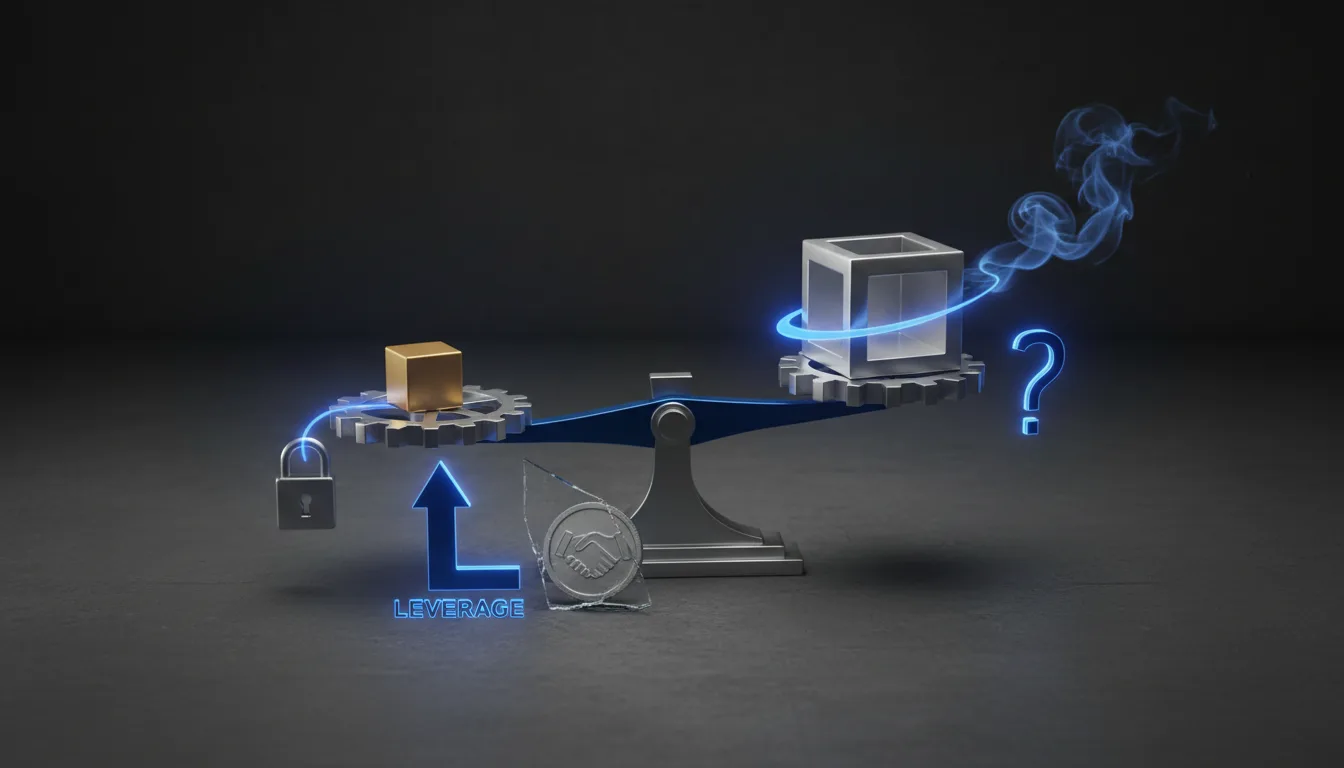
A futures contract is a standardized agreement to buy or sell an asset at a set price on a specific future date. Unlike an option, a futures contract carries an obligation, not a choice, for both parties. Futures trade on exchanges, use margin and leverage, and cover commodities, indexes, currencies, and more.
Key takeaway
What is a futures contract?
A futures contract is a standardized, exchange-traded agreement to exchange an asset at a predetermined price on a future date. Both the buyer and the seller are bound by the contract: the buyer must purchase, and the seller must deliver, at expiry, unless they close the position first.
Futures are a core instrument in any trading glossary, originally created to let producers and consumers of commodities lock in prices and hedge risk. Today they cover far more, including stock indexes, currencies, interest rates, and energy. The defining feature is the obligation: unlike an option, which conveys a right, a futures contract commits both parties. This symmetry, and the leverage that comes with margin, makes futures distinct from the options covered in options trading basics.
How does futures trading work?
Futures trading happens on regulated exchanges, where standardized contracts specify the asset, quantity, quality, and delivery date. Traders take one of two sides: going long (agreeing to buy) or going short (agreeing to sell).
To open a position, a trader posts margin, a fraction of the contract's total value, as collateral rather than paying the full amount. Each day, gains and losses are settled through a process called mark-to-market, where the account is credited or debited based on the contract's price change. If losses erode the margin below a maintenance level, the trader faces a margin call to top it up. Most speculators close their positions before expiry rather than taking or making physical delivery, capturing the price difference instead. This daily settlement and the leverage from margin are central to how futures behave.
What is margin and leverage in futures?
Margin and leverage are the engine of futures trading, and understanding them is essential to grasping the risk. Margin is the deposit required to control a contract; leverage is the amplification that small deposit creates.
Because margin is only a fraction of the contract's full value, a futures position controls far more than the cash deposited. If margin is 10 percent of the contract, a 1 percent move in the underlying is a 10 percent move on the margin. This magnifies gains and losses alike, and crucially, losses can exceed the initial margin, leaving a trader owing more than they deposited. This is the same leverage dynamic covered in leverage and margin explained, but futures often carry especially high effective leverage, which is why they demand strict risk control.
How do futures differ from options?
Futures and options are both derivatives, but they differ fundamentally in obligation and risk. The distinction matters for anyone deciding which instrument fits their goals.
| Feature | Futures | Options |
|---|---|---|
| Nature | Obligation for both parties | Right (not obligation) for the buyer |
| Risk profile | Symmetric (both sides exposed) | Asymmetric (buyer risks premium) |
| Upfront cost | Margin (good-faith deposit) | Premium (paid by buyer) |
| Loss potential | Can exceed initial margin | Buyer limited to premium |
A futures contract binds both parties to transact, so both face symmetric risk that can exceed the margin posted. An option gives the buyer a choice, with risk limited to the premium, while the seller takes on larger risk, as explained in call vs put options. This means a futures buyer and a call buyer have very different downside profiles. Choosing between them depends on whether you want defined-risk optionality or the symmetric, leveraged exposure of futures.
Why are futures considered risky?
Futures are high-risk instruments mainly because of leverage. The small margin relative to contract value means that price moves are amplified, and losses can mount quickly, potentially exceeding the money initially put up.
Several factors compound the risk. Daily mark-to-market can trigger margin calls that force traders to add funds or close positions at a loss. The obligation to transact means a futures position cannot simply expire worthless like an out-of-the-money option; the exposure is real until closed. And futures markets can move fast, especially around economic data or supply shocks. For these reasons, futures are generally not appropriate for inexperienced traders without robust trading risk management, including strict position sizing and stops. The same leverage that makes futures attractive to professionals makes them dangerous for the unprepared.
Putting futures basics in context
Futures are standardized, exchange-traded contracts that obligate both parties to buy or sell at a set price and date. Their margin-based leverage makes them powerful and capital-efficient but also high-risk, with losses that can exceed the deposit. The binding obligation sets them apart from the optionality of options.
The strongest understanding contrasts futures with options trading basics, respects the leverage covered in leverage and margin explained and margin calls, and applies disciplined trading risk management. For more terms, see the glossary. Bullynx can also help you understand derivatives concepts as part of your learning.
Frequently asked questions
- What is a futures contract?
- A futures contract is a standardized agreement to buy or sell an asset at a set price on a specific future date. Unlike an option, a futures contract carries an obligation, not a choice, for both parties. Futures trade on exchanges and cover commodities, indexes, currencies, and more.
- How does futures trading work?
- Traders buy (go long) or sell (go short) futures contracts on an exchange. They post margin, a fraction of the contract value, as collateral. Gains and losses are settled daily through mark-to-market. Most traders close positions before expiry rather than taking delivery.
- What is margin in futures trading?
- Margin in futures is a good-faith deposit, a fraction of the contract's full value, required to open and hold a position. Because margin is small relative to the contract, futures are highly leveraged, amplifying both gains and losses.
- What is the difference between futures and options?
- A futures contract obligates both parties to transact at expiry, while an option gives the buyer a right but not an obligation. Futures have symmetric risk for both sides; options have asymmetric risk, with buyers risking only the premium.
- Is futures trading risky?
- Yes, futures are high risk due to leverage. Small margin requirements mean small price moves can produce large gains or losses relative to the deposit, and losses can exceed the initial margin. Futures are generally not suited to inexperienced traders without strong risk control.
See these concepts on a real chart. Upload any chart screenshot and Lynx AI points out the structure, levels, and setups it finds, a faster way to learn than definitions alone.
Keep reading
- Call vs Put Options: The Difference, With ExamplesGlossary
- CFD Trading Explained: Risks and BasicsGlossary
- Covered Call Strategy Explained SimplyGlossary
- ETF vs Mutual Fund: Fees, Taxes and Which to PickGlossary
- Implied Volatility Explained for OptionsGlossary
- IPO Explained: How Companies Go PublicGlossary
Educational only. Not financial advice. NFA. Bullynx is not a registered investment adviser or broker-dealer. Trading and investing involve significant risk of loss. Read the full risk disclosure.